
Every property owner in Maplewood, NJ will eventually face a lock or key problem. Whether it's a broken key stuck in your front door, a malfunctioning deadbolt, or finding yourself locked out of your car in the parking lot, these situations are not only frustrating but can also compromise your security. Understanding common locksmith problems and their solutions can help you respond quickly and make informed decisions when emergencies arise. In this comprehensive guide, we'll explore the most frequent lock and key issues that residents and business owners encounter, along with practical solutions to address them.
Getting Locked Out of Your Home
Lockouts are arguably the most common reason people need emergency locksmith services. Whether you've misplaced your keys, left them inside, or they've been stolen, being locked out of your home is stressful and inconvenient.
Common causes of home lockouts:
- Keys left inside the house when leaving in a hurry
- Lost or misplaced keys
- Keys stolen during a burglary or theft
- Children accidentally locking doors from the inside
- Malfunctioning smart locks or electronic entry systems
First, check all entry points to see if any windows or back doors are unlocked. However, never force entry or break windows, as this can be dangerous and costly. If you have a trusted neighbor who holds a spare key, that's your best immediate option. For those with smart lock systems, check if you can unlock the door through your smartphone app.
If these options aren't available, contact a professional locksmith immediately. A licensed locksmith can provide non-destructive entry methods that won't damage your locks or doors. At Maplewood NJ Locksmiths, we offer 24/7 emergency lockout services to get you back inside quickly and safely.
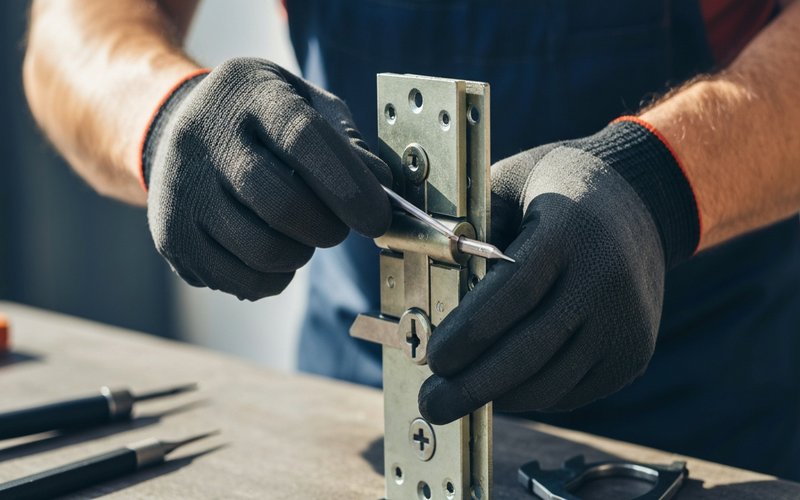
Prevention tips:
- Give a spare key to a trusted neighbor or family member
- Install a secure lockbox with a spare key
- Consider upgrading to a smart lock with keypad or smartphone access
- Always double-check for your keys before closing the door
Broken Keys in Locks
Keys break for various reasons, and when they snap off inside a lock, it creates a frustrating situation that requires immediate attention. This problem often occurs with older keys that have worn down over time or when excessive force is applied to a sticky lock.
Why keys break:
- Metal fatigue from years of use
- Manufacturing defects in the key
- Forcing a key into a frozen or damaged lock
- Using the wrong key or a poorly cut duplicate
- Turning the key too forcefully when the lock mechanism is stuck
Don't attempt to use the lock further, as this could push the broken piece deeper into the cylinder. Avoid using super glue or other adhesives to extract the broken piece, as this will likely make the problem worse and could permanently damage the lock mechanism.
If a small portion of the key is protruding, you might try carefully gripping it with needle-nose pliers. However, if the key is completely lodged inside the lock cylinder, professional extraction is necessary. A locksmith has specialized tools designed specifically for key extraction without damaging the lock.
Preventing key breakage:
- Replace keys that show signs of wear, bending, or cracking
- Never force a key if it doesn't turn smoothly
- Lubricate locks regularly with graphite powder
- Have keys duplicated by professional locksmiths using proper equipment
- Address sticky or difficult locks immediately before they cause key breakage
Malfunctioning Door Locks
Locks that stick, jam, or fail to engage properly are more than just annoying—they're security vulnerabilities. A malfunctioning lock may leave your property unsecured or, conversely, trap you inside during an emergency.
Signs your lock needs attention:
- Difficulty inserting or turning the key
- The lock doesn't fully engage or disengage
- Visible rust, corrosion, or damage to the lock body
- The key turns but the lock doesn't operate
- Loose or wobbly door handles or lock mechanisms
- Grinding or clicking sounds when operating the lock
Dirt, dust, and debris accumulation inside the lock cylinder is one of the most common causes of malfunction. Regular cleaning with compressed air and lubrication with graphite powder can resolve many issues. Never use oil-based lubricants like WD-40 inside locks, as these attract more dirt and can gum up the mechanism.
Misalignment between the door and frame can also cause locks to malfunction. This often occurs due to foundation settling, humidity changes causing wood to expand, or loose hinges. Sometimes simply tightening the door hinges or adjusting the strike plate can resolve the issue.
If the lock mechanism itself is worn out or damaged, replacement is typically the best solution. Attempting to continue using a failing lock can lead to complete failure at the worst possible time.
Lost or Stolen Keys
Losing your keys or having them stolen presents a serious security risk. Even if you have spare keys, there's no way to know who might have found your lost keys or what a thief might do with stolen ones.
Immediate actions to take:
When keys are lost or stolen, the only way to ensure your property's security is to have the locks rekeyed or replaced. Rekeying is typically the more affordable option and can be completed quickly by a professional locksmith. This process involves changing the lock's internal pins so that old keys no longer work, while new keys are provided.
If your keys were stolen during a break-in or you suspect someone might use them for unauthorized access, contact local law enforcement to file a report. Then, arrange for immediate lock rekeying or replacement.
For vehicle keys:
Modern car keys with transponder chips or key fobs are expensive to replace, but it's necessary for security. Contact a professional automotive locksmith who can program new keys and disable lost or stolen ones from your vehicle's system.
Security best practices:
- Never attach identification tags to your keys
- Avoid posting photos on social media that show your keys
- Consider upgrading to smart locks that don't require physical keys
- Keep a record of your key types and lock models
- Change locks when moving into a new home or business
Frozen Locks in Winter
Maplewood's cold winters can cause locks to freeze, preventing keys from inserting or turning. This common seasonal problem requires gentle solutions to avoid damaging the lock mechanism.
Safe defrosting methods:
Warm your key with a lighter or matches for a few seconds, then gently insert it into the lock. The warmth can help melt the ice inside. Repeat several times if necessary. You can also use a hair dryer to warm the lock cylinder if you have access to an electrical outlet.
Commercial de-icing products designed specifically for locks are available and work well. Hand sanitizer, which contains alcohol, can also work in a pinch when applied to the key and into the lock.
What to avoid:
Never force a key into a frozen lock, as this can break the key or damage the lock mechanism. Don't pour hot water on the lock, as this can cause more serious freezing problems when the water refreezes and expands.
Winter prevention:
- Apply graphite powder or lock lubricant before winter arrives
- Cover exterior locks with magnetic lock covers
- Keep de-icer in your car and bag during winter months
- Park in a garage when possible to protect vehicle locks
Worn Out or Damaged Keys
Keys wear down over time through regular use, and damaged keys can cause lock problems or fail to work altogether. Recognizing when to replace keys can prevent lockouts and lock damage.
Signs your keys need replacement:
- Visible wear on the teeth or blade
- Bending or warping of the key
- Difficulty inserting the key smoothly
- The key requires wiggling to work properly
- Cracking or breaking of the key head or blade
Always have keys duplicated by professional locksmiths using code-cutting machines rather than cheap key-copy kiosks. Poor quality duplicates can accelerate lock wear and may fail when you need them most. Professional locksmiths can cut keys from code, ensuring perfect accuracy.
If you notice your key is worn, have new keys cut from the original or from code rather than copying the worn key, which will perpetuate any inaccuracies.
Jammed or Stuck Deadbolts
Deadbolts provide essential security, but when they jam or stick, they can leave you vulnerable or locked in. Understanding why deadbolts malfunction helps you address the problem effectively.
Common deadbolt problems:
- Misalignment between the bolt and strike plate
- Debris or rust in the lock mechanism
- Broken internal springs or components
- Improper installation or loose mounting
- Door frame settling or warping
Check if the deadbolt aligns properly with the strike plate when the door is closed. You may need to adjust the strike plate position or deepen the hole if the door has settled. Ensure all mounting screws are tight and the lock isn't loose.
Lubricate the deadbolt mechanism with graphite powder, which won't attract dirt like oil-based products. Work the lock back and forth several times after lubrication.
If the deadbolt remains stuck or jammed after these steps, the internal mechanism may be damaged and require professional repair or replacement.
Smart Lock Malfunctions
Smart locks offer convenience and advanced security features, but they can experience technical problems that traditional locks don't face.
Common smart lock issues:
- Battery failure leaving you locked out
- Wi-Fi or Bluetooth connectivity problems
- Software glitches or outdated firmware
- Keypad buttons becoming unresponsive
- Motor mechanism failures
Replace batteries regularly and keep spare batteries on hand. Most smart locks will warn you when batteries are low, so don't ignore these alerts. Many smart locks include a backup physical key option—keep this key in a secure location.
Keep your smart lock's firmware updated to ensure optimal performance and security. Regular updates often fix bugs and improve reliability.
If your smart lock completely fails, professional locksmiths experienced with electronic locking systems can diagnose the problem and provide solutions, whether that's repair, reconfiguration, or replacement.
Commercial Lock Problems
Businesses face unique lock and security challenges that differ from residential properties. High-traffic use, multiple key holders, and security requirements create specific problems.
Common commercial lock issues:
- Master key systems requiring reconfiguration
- Panic bar malfunctions
- High-security lock failures
- Access control system problems
- Excessive wear from high-volume use
Implement a key control system that tracks who has access to which areas. Consider upgrading to commercial-grade locks designed for high-traffic use. These locks are built to withstand thousands of operations and offer better security than residential-grade hardware.
Regular maintenance schedules prevent many commercial lock problems. Have your locks professionally serviced quarterly to ensure reliable operation and identify potential issues before they cause business disruptions.
For businesses requiring sophisticated security, consider access control systems that eliminate physical keys entirely, providing better security and detailed access logs.
Car Lockouts and Ignition Problems
Vehicle lock and key problems can leave you stranded and frustrated. Modern vehicles with advanced key systems present unique challenges compared to older cars.
Common automotive lock problems:
- Keys locked inside the vehicle
- Broken key fobs or dead batteries
- Ignition cylinder failures
- Transponder key programming issues
- Trunk lock malfunctions
For car lockouts, never attempt to break windows or use coat hangers on modern vehicles, as this can damage weather sealing, electronics, or airbag systems. Professional automotive locksmiths have specialized tools for non-destructive vehicle entry.
If your key fob stops working, try replacing the battery first—this solves the problem in most cases. For transponder key issues or programming needs, automotive locksmiths can provide these services often more affordably and quickly than dealerships.
Ignition problems require professional diagnosis, as attempting repairs without proper knowledge can damage the ignition system or vehicle electronics.
When to Call a Professional Locksmith
While some minor lock issues can be addressed with DIY solutions, many situations require professional expertise to ensure security and prevent damage.
Situations requiring professional help:
- Any lockout situation where you cannot safely access your property
- Broken keys stuck in locks
- Lock rekeying or replacement after lost or stolen keys
- Installation of new locks or security upgrades
- Commercial security system needs
- Automotive key programming or ignition repairs
- Malfunctioning smart locks or access control systems
- Safe opening or combination changes
Professional locksmiths have specialized tools and training to solve problems quickly without causing damage. They can assess your overall security and recommend improvements. Licensed and insured locksmiths provide accountability and protection for your property.
Emergency locksmith services are available 24/7 because lock problems don't occur on a convenient schedule. Having a trusted locksmith's contact information before you need it can save valuable time during emergencies.
Frequently Asked Questions
How much does it cost to rekey locks?
Rekeying is typically much more affordable than replacing locks entirely, usually costing a fraction of new lock installation. The exact cost depends on the number of locks and the type of locks being rekeyed.
Can all locks be rekeyed?
Most standard pin-tumbler locks can be rekeyed, but some specialized or damaged locks may require replacement. A professional locksmith can assess whether rekeying is possible for your specific locks.
How long does a lock typically last?
Quality locks with regular maintenance can last 10-15 years or longer. However, high-traffic commercial locks or exterior locks exposed to harsh weather may need replacement sooner.
Should I replace or rekey locks when moving?
Always have locks rekeyed or replaced when moving into a new property. You can never be certain who has copies of the existing keys, making this an essential security measure.
Need Professional Help?
Facing lock or key problems can be stressful, but you don't have to handle them alone. At Maplewood NJ Locksmiths, we're your trusted local experts for all residential, commercial, and automotive locksmith needs. Our team provides fast, reliable service throughout Maplewood and surrounding areas.
We understand that lock emergencies don't wait for business hours. That's why we offer 24/7 emergency locksmith services to help you when you need it most. Whether you're locked out at midnight or need urgent lock repairs, we're just a phone call away.
Our experienced technicians arrive promptly with fully equipped mobile service vehicles, ready to solve your lock and key problems on the spot. We use non-destructive entry methods whenever possible and always prioritize your security and satisfaction.
Located at 1-53 Clinton Ave, Maplewood, NJ 07040, we're part of your community and committed to keeping our neighbors safe and secure. From simple lockouts to complex security system installations, we handle every job with professionalism and expertise.
Don't let lock problems compromise your security or peace of mind. Contact Maplewood NJ Locksmiths today for reliable, professional locksmith services you can trust. Call us now for immediate assistance or to schedule a security consultation. Your safety is our priority, and we're here to help 24 hours a day, 7 days a week.